
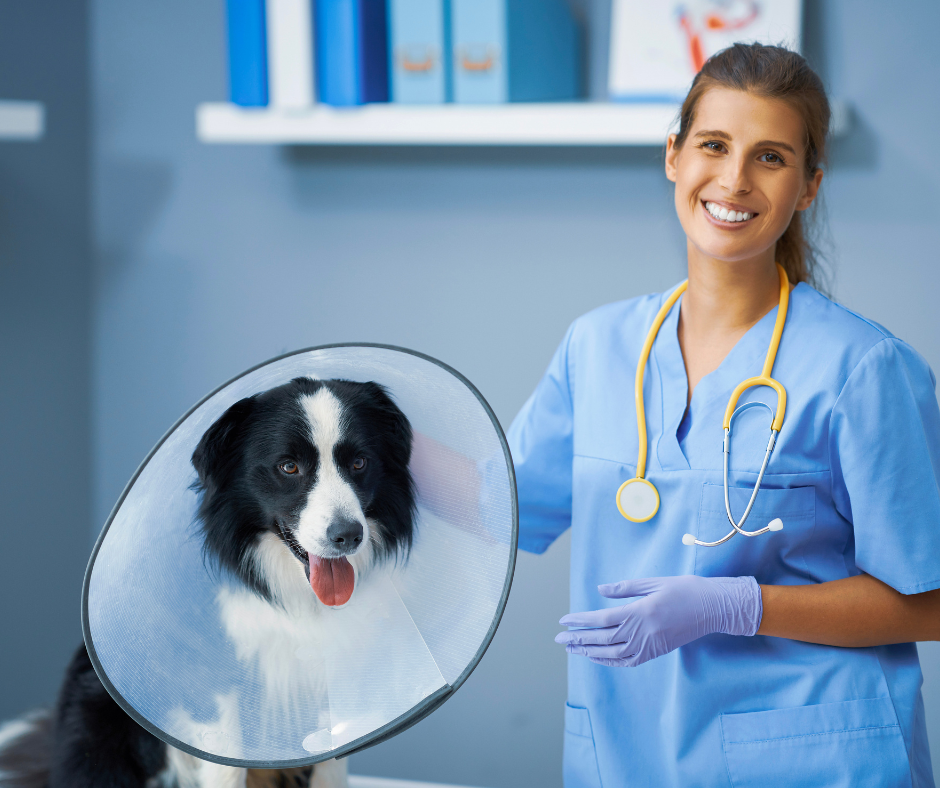
As dog owners, we want nothing but the best for our furry companions – including their health and well-being. However, when it comes to spaying or neutering our beloved pets, many of us may feel unsure or even intimidated by the aftercare process. Proper post-surgery care can ensure a speedy recovery and prevent complications, ultimately contributing to the overall health and happiness of our furry friends.
In this article, we’ll dive into the specific steps you can take to care for your dog after they have been spayed or neutered, so you can provide them with the best possible care.
Understanding Aftercare: The First Hours After Your Dog’s Surgery
- Allow your pet to recover in a quiet, safe place indoors.
- Be aware that your pet’s behavior may be slightly altered in the first 24 hours after surgery. For example, they may be glassy-eyed, sleepy, nauseous, wobbly, vocal, shivering, or irritable.
- During aftercare, encourage frequent movement indoors to help your pet recover from the anesthesia. Allowing them to rest uninterrupted will result in longer recovery and potential complications.
- Offer small amounts of the food they eat regularly and water later in the evening. Your pet may feel nauseous, and it can take up to 48 hours for their appetite to return to normal.

Aftercare Post-Surgery: Everything You Need to Know for the Next 10-14 Days
Please keep in mind the following instructions for the next 10-14 days after your pet’s surgery:
Prevent Licking or Chewing at the Incision
Do not allow your pet to lick, scratch, or chew the incision site. See below for ways to prevent your dog from reaching the incision site during aftercare.

Limit Activity
Your pet should be supervised closely and kept on an exercise restriction. During the first two weeks, avoid running, jumping, and excessive playing as it could lead to swelling around the incision site, premature dissolving of sutures, opening of the incision, and costly medical care. Take your dog outside on a leash during potty breaks to prevent them from running.

Keep Reading: Kong Stuffing Ideas to Keep Your Dog Busy
Minimize Environmental Stimuli
It’s recommended to relocate other pets and toys in order to minimize the tendency to run and play. By reducing potential distractions, a calm and healing environment can be created for your pet. This can aid in their recovery and enable them to return to their normal activities as soon as possible.
Keep The Incision Clean and Dry
No bathing, swimming, or playing in deep snow. If the incision gets dirty, gently clean it with a mild antiseptic solution and a clean cloth.
Monitor For Signs Of Complications
Check the incision site twice daily until it is completely healed. Some redness and swelling around the incision site is expected and normal. Continue reading to distinguish between normal and emergency symptoms post your dog’s surgery.
Related Posts: Best Harness For Dog Walking, Ultimate Guide To Potty Training, DIY Enrichment Activities, No More Mess Dog Bowl
Avoiding Complications During Aftercare: How to Stop Your Dog from Accessing the Incision Area
It is crucial to prevent your pet from licking or chewing their incision after surgery, as it can lead to severe complications such as the incision opening or becoming infected. This may result in unexpected costs and require follow-up visits, causing pain to your pet. There are many different solutions to prevent licking, below are the 3 most comment methods.
Elizabethan Cone Collar

The most common one people see is the Elizabethan cone collar. It is important to ensure that the cone collar is fitted correctly, and it should extend past your pet’s nose by at least two inches. If it is shorter, your pet may still be able to reach the incision, rendering the collar ineffective.
Soft Recovery Collar

The inflatable soft collar is lightweight and ensures optimal comfort, minimizing any potential discomfort during the recovery phase. Additionally, its less restrictive structure reduces anxiety and stress for your furry friend compared to traditional, Elizabethan Cone.
With improved visibility and mobility, the inflatable collar allows your dog to move freely, promoting a sense of security. Importantly, it doesn’t impede eating or drinking, facilitating a smoother recovery process. Plus it is available in different colors and designs.
Learn why I picked to use the inflatable collar for Capri during recovery!


The Recovery Suit for Dogs provides optimal coverage and comfort to prevent irritation and unwanted licking. This suit ensures protection for surgical areas and features a clip-up system for easy walks and potty breaks.
Choose the method that best suits your dog’s comfort and needs to prevent licking of the incision site. Whether it’s a cone, an inflatable collar, or a recovery suit, prioritize your furry friend’s well-being during the healing process.

Common Complications After Dog Surgery: Signs to Watch Out For
If you are wondering what to expect after your pet’s surgery, the following guidelines will be helpful. It’s important to understand if your pet’s recovery is normal or if it requires attention to prevent any emergencies. These guidelines cover most issues, but if you have concerns reach out to your veterinarian.
Normal Challenges for Your Beloved Pup
After surgery, there are some normal issues that your pet may experience, which should resolve on their own within a few days. However, if you don’t see any signs of improvement or things worsen over time, call your veterinarian.
Common aftercare issues may involve slight bloody discharge, redness, swelling, or bruising at the incision site, whining or crying on the first night, decreased energy for the next 24 hours, and irregular urination or defecation.
Symptoms that Require Attention but are Not an Emergency
Call your veterinarian if your pet experiences any of the following symptoms:
- Significant swelling at the surgical incision
- Colored discharge from the incision
- Pale gums
- Not returning to eating or drinking days after surgery
- Intermittent vomiting for days after surgery
- Slight gaps at the spay incision (females only)
- Swollen and painful scrotum (males only) days after surgery
Navigating Emergencies: Recognizing Signs and Taking Action
It’s always important to be prepared for any emergencies that may arise after your pet’s surgery. If you notice any of the following symptoms, it’s crucial to take your pet to a local, 24-hour emergency clinic immediately:
- Consistent and heavy bleeding from the surgical incision
- Continuous vomiting that persists without stopping
- Difficulty breathing or shortness of breath
- Unresponsiveness or inability to stand up
- If you see that the spay incision has completely opened up
It’s essential to keep an eye on your pet’s behavior and any changes in their condition during aftercare. Always be vigilant and seek prompt medical attention if you notice anything unusual or alarming. Remember, early intervention can save your pet’s life.
Keep Reading: Is Your Dog at Risk? How To Pick The Right Dog Food?
In conclusion, taking care of your pup after their spaying or neutering is a big deal for their happiness and health. By following the tips shared here, you’re setting the stage for a smooth recovery and a lifetime of wagging tails and playful moments. Remember to create a cozy and stress-free space, keep an eye on their behavior, and stick to the vet’s advice. Every dog is unique, so if you ever have questions or worries, your vet is just a call away.
To see all of The Dog Capri’s favorite things visit Capri’s Top Picks!
-Cara & Capri
Subscribe for more dog tips, tricks, and valuable insights to enhance your furry friend’s well-being!
Source
Animal Humane Society- Spay/neuter post-surgical care and recovery instructions





Leave a Reply