
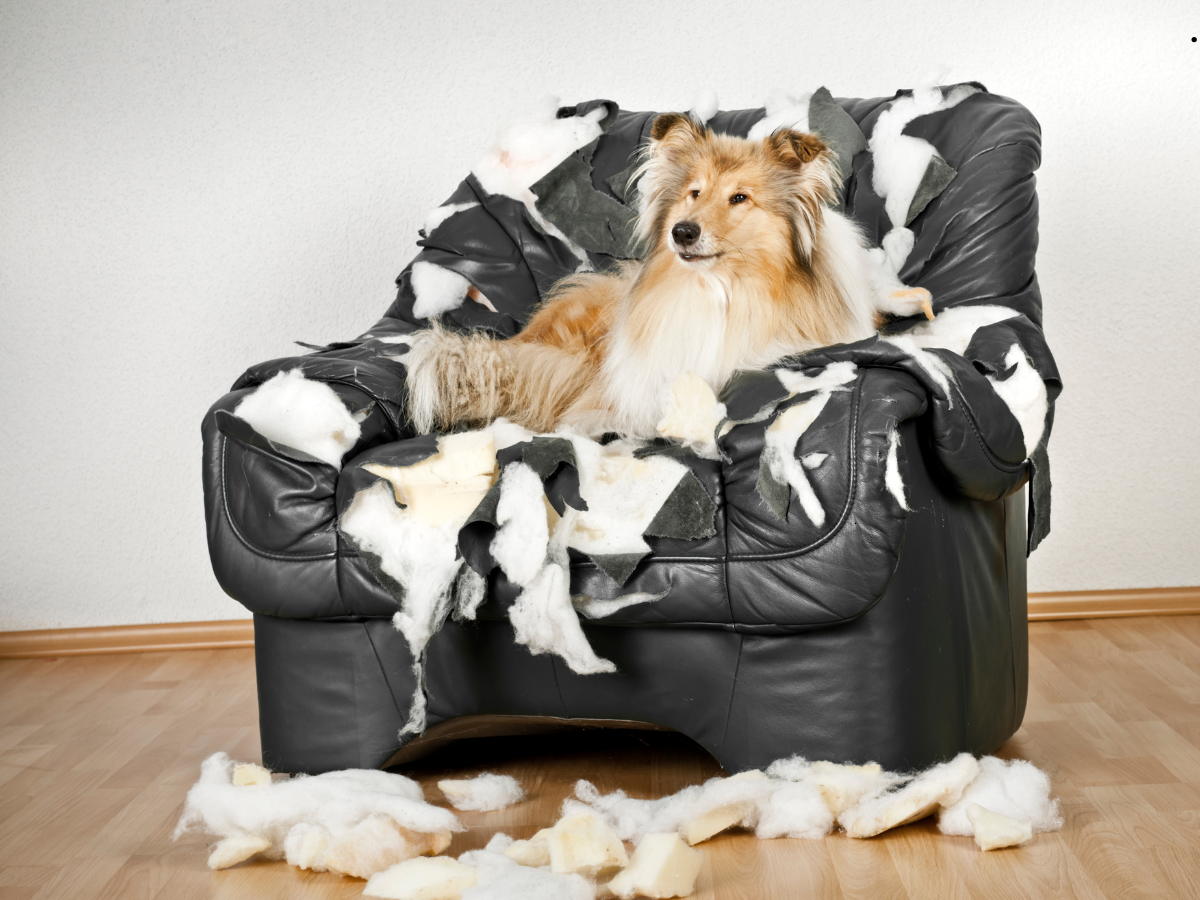
Dog separation anxiety affects approximately more dogs than you think, causing distress and destructive behavior when they’re left alone. As a dog owner, you might find this surprising, but dogs, like humans, can experience anxiety. Separation anxiety is one of the most common forms, where dogs become anxious or disruptive when they’re alone. If you’ve noticed this behavior in your dog or know someone who has, this article is for you. We will discuss dog separation anxiety and provide practical tips to help your pet overcome this common issue.
What Is Dog Separation Anxiety?
Dog separation anxiety is a condition where a dog experiences intense anxiety episodes when separated from their pet parents. While it’s normal for dogs to whine or fuss when you leave the house, true separation anxiety involves persistent anxiety that lasts the entire time you’re gone. This can have detrimental physical and mental effects on your dog.
What Causes Dog Separation Anxiety?

Separation anxiety in dogs can arise from various life changes. Here are some common causes:
- Family Changes: When a family member moves out or when a new addition such as a baby or roommate joins the household.
- Home Changes: When a dog is rehomed or when the family moves to a new house. Even home remodeling or reconstruction can trigger anxiety.
- Routine Changes: When a pet parent starts a new job with longer hours or switches from working remotely to working in an office.
Some dogs adapt to these changes with minimal anxiety, while others develop severe separation anxiety. The reasons why some dogs are more prone to separation anxiety remain unclear. Even dogs raised in loving, supportive homes with ample attention and positive reinforcement can suffer from this condition—so don’t blame yourself! Tips For First Time Dog Owners
Symptoms Of Anxiety In Dogs
How do you know if your dog is suffering from separation anxiety? Every dog is unique, so the symptoms can vary, but there are common signs to look out for:
- Destructive Behaviors: Chewing, clawing at doors, or damaging walls.
- Potty Accidents: Accidents that occur only when you’re away, especially in a normally potty-trained dog.
- Vocalization: Excessive whining or barking when you’re not home.
- Drooling: Excessive drooling that only happens in your absence.
- Pacing: Walking back and forth restlessly when left alone.
- Physical Symptoms: Trembling, panting, lip-licking, and yawning can all indicate anxiety.

If your dog exhibits these symptoms, it might be time to take action to address their separation anxiety.
Learn More: Ultimate Guide To Potty Training Your Dog, Crate Training Tips For Dogs and Puppies
Treatment For Dog Separation Anxiety
Counterconditioning for Mild Dog Separation Anxiety
If your dog has a mild case of separation anxiety, counterconditioning might help. This treatment process changes a dog’s fearful, anxious, or aggressive reactions into pleasant, relaxed ones by associating the fear-inducing situation with something enjoyable. Here’s how you can use counterconditioning to help your dog:
- Associate Alone Time with Good Things: Link being alone with positive experiences, like delicious food.
- Offer a Puzzle Toy: Every time you leave the house, give your dog a puzzle toy stuffed with food that takes 20-30 minutes to finish. For example:
- KONG stuffed with low-fat cream cheese, spray cheese, or low-fat peanut butter.
- Freeze the Toy: Freezing the KONG or Lick Mat can make getting the food out take even longer.
- Remove Toys Upon Return: Take away the special toys as soon as you come home, so your dog only gets them when alone.
- Feed Meals in Special Toys: Consider giving your dog all his daily meals in these special toys. For instance, use an enrichment puzzle for breakfast before you go to work. Discover the key benefits of dog enrichment activities and how they can improve your pet’s life

Keep in mind that this approach works best for mild cases of separation anxiety, as highly anxious dogs may not eat when their guardians are away.
Treatment for Moderate to Severe Separation Anxiety in Dogs
For moderate to severe separation anxiety, a more complex desensitization and counterconditioning treatment is required. Here’s a guide with essential steps to help your dog overcome separation anxiety:
- Gradual Desensitization:
- Start with short separations that don’t cause anxiety.
- Gradually increase the duration of separations over several weeks.
- Step One: Predeparture Cues:
- If your dog shows anxiety during predeparture rituals, expose him to these cues without leaving.
- Examples: Put on your coat and sit down to watch TV, or pick up your keys and then sit at the kitchen table.
- Repeatedly practice fake cues to reduce anxiety.
- Step Two: Graduated Departures/Absences:
- Start with very short absences, ensuring they are shorter than the time it takes for your dog to become upset.
- Train your dog to perform out-of-sight stays by an inside door, like the bathroom.
- Gradually increase the time you stay out of sight and incorporate predeparture cues during the stay practice.
- Progress to out-of-sight stays at exit doors, starting with short absences and gradually increasing the duration.
- Use a food-stuffed toy as a safety cue to indicate a “safe” separation.
- Maintain calm and quiet behavior during departures and arrivals.
- Monitor and Adjust:
- Observe your dog for signs of stress (dilated pupils, panting, yawning, salivating, trembling, pacing, exuberant greeting).
- If stress is detected, shorten the length of departures and progress more slowly.
- Build up to 40-minute absences, as most anxiety responses occur within the first 40 minutes.
- Once your dog can tolerate 40 minutes, increase absences by larger increments.
- Daily Sessions:
- Conduct several daily sessions on weekends and twice-daily sessions during the work week (before leaving for work and in the evenings).
- Ensure No Full-Blown Anxiety:
- During desensitization, avoid leaving your dog alone except during desensitization sessions.
- Alternative Arrangements:
- Take your dog to work with you.
- Arrange for a family member, friend, or dog sitter to stay with your dog when you’re not there.
- Consider doggy daycare or a sitter’s house.
- Calm Greetings:
- Conduct greetings calmly to reduce anxiety.
- On leaving, give a simple goodbye and leave.
- On returning, say hello calmly and wait until your dog is relaxed before engaging further.
Following these steps can help manage your dog’s separation anxiety effectively, ensuring they feel safe and comfortable even when you’re not around.

Effective Ways to Help Dogs With Separation Anxiety
Dogs with separation anxiety respond best to a combination of treatments. Here are some effective methods to help ease your dog’s anxiety. Talk to your vet about these options:
Pheromones

- Sprays like Adaptil calming spray, diffusers, or collars release dog-appealing pheromones that mimic those mother dogs use when nursing. These can comfort your dog similarly to how your favorite childhood dish comforts you.
Calming Supplements

- Calming treats such as VetriScience’s Composure or Zesty Paw Calming Bites contain nutrients with soothing properties to help your pet relax.
Anxiety Vests

- Dog anxiety vests, like the ThunderShirt, work by applying gentle, constant pressure, similar to a comforting hug.
Continue Reading: Survival Tips For Fearful Dogs- Fireworks and Storms
Exercise
- Before leaving home, ensure your dog gets a vigorous workout. A tired dog is less likely to be anxious. However, avoid exercising your pet in high heat or humidity.
- For most young, healthy dogs, 30-60 minutes of activity per day can help them relax.
- For puppies, senior dogs, and dogs with medical concerns, consult your vet for appropriate exercise levels.
Learn More: Benefits of Taking Your Dog To The Dog Park, Best Dog Leashes and Harnesses- Tried & Tested

If none of these tips help, it might be time to get professional support or medications to manage your dog’s separation anxiety. Reach out to your vet or a board-certified veterinary behaviorist for personalized advice and treatment options.
Anti-Anxiety Medications and Professional Support
If none of these tips help, it might be time to consider professional help or medications for your dog’s separation anxiety.
Anti-Anxiety Medications
Your vet can prescribe medications to help calm your dog. Common options include:
- Reconcile (fluoxetine): A selective serotonin-reuptake inhibitor (SSRI) that raises levels of serotonin, promoting your dog’s feelings of well-being and calmness.
- Clomicalm (clomipramine): A tricyclic antidepressant that increases brain levels of serotonin and norepinephrine, which affects your dog’s stress levels.
Professional Support
For additional help, reach out to your vet or a board-certified veterinary behaviorist. These experts can identify areas where your training might need adjustments and suggest other methods to include in your dogs behavior plan.

FAQs About Separation Anxiety in Dogs
Q: Can dog separation anxiety be cured quickly?
A: Curing dog separation anxiety quickly is often unrealistic. It typically requires patience, consistency, and a systematic approach. Improvement timelines vary based on the dog’s temperament, history, and anxiety severity. While some dogs may show rapid progress with consistent training and positive reinforcement, others may need a longer period and a combination of interventions.
Q: Why does my dog have separation anxiety at night?
A: If you’re home with your dog, nighttime anxiety might be due to a fear of the dark rather than separation anxiety—or a combination of both. An already-anxious dog could experience increased anxiety at night due to darkness. If this issue starts suddenly, a vet visit is advisable. Older dogs might develop nighttime fear due to medical issues like deteriorating eyesight.
Q: What can I give my dog to help calm them during anxiety episodes?
A: Your veterinarian may recommend dog separation-anxiety medication alongside training techniques and calming supplements. This multi-modal approach can be effective in managing separation anxiety symptoms in dogs.
Q: Do dogs eventually overcome separation anxiety?
A: The response to separation anxiety varies among dogs. Some may overcome it with minimal intervention, while others need a combination of training, behavioral modifications, and sometimes prescription medication. With consistent effort, understanding, and patience, many dogs experience significant improvement in their anxiety levels.
Q: How does dog separation anxiety affect pet parents?
A: Separation anxiety in dogs can significantly impact pet parents, causing feelings of guilt, worry, or frustration. Pet parents may deal with property damage from destructive behavior or noise complaints from neighbors due to incessant barking. It may also require them to adjust their schedules. However, with the right strategies and support, many pet parents successfully manage these challenges and help their dogs feel more comfortable.
Q: What are some natural remedies for dog separation anxiety?
A: Various natural remedies can help manage separation anxiety in dogs when used alongside training. Options include Adaptil pheromone sprays, diffusers, or collars, and calming treats. Always consult your vet before introducing a new supplement. Anxiety vests, interactive toys, and calming music can also be beneficial for easing anxiety.
Conclusion
Dog separation anxiety is a common and challenging issue that affects many dogs and their owners. It can have detrimental effects on a dog’s physical and mental well-being, as well as causing distress for their pet parents. However, with patience, understanding, and a multi-faceted approach, it is possible to help your dog overcome their anxiety and feel more comfortable when left alone. By implementing the practical tips and techniques discussed in this article, you can help your canine feel safe and secure even when you’re not around. Remember, every dog is unique, so finding the right combination of strategies may take time and patience, but with consistent effort, many dogs can overcome separation anxiety.
-Cara & Capri





Leave a Reply