
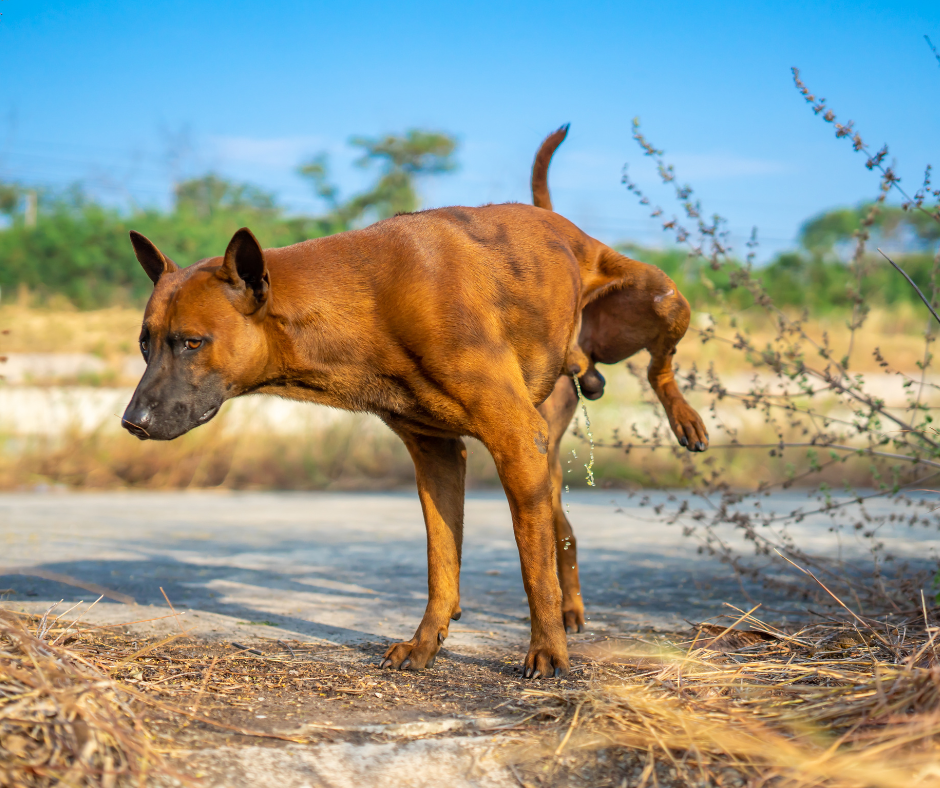
Are you tired of constantly cleaning up after your furry friend? Do you long for the day when your puppy understands where to do their business? Well, you’re in luck! In this guide, you’ll discover 7 simple steps to potty training your dog in record time. We’ll dive into engaging techniques that will not only make the process a breeze but also keep you motivated every step of the way. No more frustration or messes on your floors – let’s get started on this journey to a well-trained puppy!
- Creating a Potty Training Schedule
- Choosing the Right Potty Training Area
- Using Positive Reinforcement Techniques
- Dealing with Accidents and Setbacks
- Establishing a Routine for Meal Times
- Using Simple Verbal Cues
- Consistency Is Key
Creating a Potty Training Schedule
To ensure a successful potty training experience for your furry companion, it’s essential to establish a consistent schedule. Creating a potty training schedule will not only help your puppy understand when it’s time to go outside, but it will also provide structure and predictability for both of you. By following a schedule, you’ll be able to reinforce good habits and minimize accidents, setting your puppy up for success.
When creating a potty training schedule, consider your puppy’s age, breed, and individual needs. Puppies have smaller bladders and shorter attention spans, so they will need more frequent bathroom breaks compared to adult dogs. As a general rule of thumb, puppies can control their bladders for a duration that corresponds to their age in months, up until about nine months to a year. For instance, a 6-month-old puppy is typically able to hold it for approximately 6 hours.
When setting up a schedule for your furry little friend, it’s important to keep daily events and your puppy’s habits in mind. For very young puppies, you should plan to take them out:
- First thing in the morning
- Last thing at night
- After playtime indoors
- After spending time in a crate
- After waking up from a nap
- After chewing a toy or bone
- After eating
- After drinking
To prevent your puppy from needing to relieve themselves during the night, pick up their water dish about two and a half hours before bedtime. Puppies can sleep for approximately seven hours without needing a bathroom break. If they do wake up, avoid playing and turn on as few lights as possible. Take them outside to their designated spot and then return them to bed.

Remember, every puppy is unique, and potty training your dog may take some time. By establishing a consistent potty training schedule and being patient and consistent with your efforts, you’ll be well on your way to having a well-trained and housebroken puppy.
Related: Unlocking The Benefits Of Crate Training, Everything You Need To Know About Ultrasonic Bark Collars
Choosing the Right Potty Training Area
As you progress through the potty training journey and begin to understand your puppy’s bathroom habits, you may find it helpful to choose the right potty training area for your furry friend. By selecting the appropriate location, you can create an encouraging environment that will support successful potty training.

Consider designating a specific spot in your yard, this will help your puppy understand where they are supposed to go when nature calls. When choosing the potty training area, keep in mind that puppies often prefer a secluded and quiet spot. This can help them feel more comfortable and at ease while doing their business.
If you have a large yard and want to train your puppy to do their business outside, consider keeping them on a leash until they go potty. Once they’ve done their duty, reward them with off-leash playtime. This helps eliminate distractions and ensures that your puppy stays focused on the task at hand.
Learn More: What is dog separation anxiety and how to fix it

Using Positive Reinforcement Techniques
By utilizing positive reinforcement techniques, you can take your puppy’s potty training to the next level and solidify those good habits. Positive reinforcement involves rewarding your puppy for exhibiting the desired behavior, which in this case is going to the bathroom in the designated spot. This approach not only helps your puppy understand where they should go, but also fosters a positive association with the act of potty training.
One effective positive reinforcement technique is using treats. Whenever your puppy successfully goes to the bathroom in the designated area, immediately reward them with a small, tasty treat. The key here is timing – make sure to reward your puppy as soon as they finish their business, so they associate the treat with the desired behavior. This positive reinforcement creates a strong incentive for your puppy to repeat the behavior and continue using the designated spot. If your puppy isn’t enthusiastic about the treats you’re offering, it’s time to explore more enticing and flavorful options.

In addition to treats, verbal praise and affection can also be powerful forms of positive reinforcement. Whenever your puppy successfully goes to the bathroom in the designated spot, shower them with verbal praise, such as saying “good job” or “well done.” You can also give them a pat on the head or a belly rub to show them affection. These positive reinforcements create a positive and rewarding experience for your puppy, reinforcing the desired behavior and motivating them to continue using the designated spot.
Dealing with Accidents and Setbacks
Despite your best efforts, accidents are bound to happen during the potty training process. It’s important to remember that these accidents are a normal part of the learning curve and should be handled with patience and understanding. Here are some tips to help you navigate through any setbacks that may occur.

First and foremost, avoid scolding or punishing your puppy for accidents. As mentioned earlier, punishment can create fear and anxiety, which will only hinder the potty training progress. it’s important to remember to never use the crate as a punishment. Putting them in the crate immediately after an accident can cause them to associate the crate with negative experiences, which can make the training process much more difficult.

When accidents do happen, it’s crucial to clean up the mess thoroughly. Dogs have a keen sense of smell, and if they can detect any lingering odors from previous accidents, they may be more likely to go potty in the same spot again. Use an enzymatic cleaner specifically designed for pet messes to eliminate any traces of urine or feces completely.
Rocco & Roxie Stain & Odor Eliminator

It is safe for all carpets, floors, furniture, clothing, and carriers. This product not only targets stains but also eliminates odors which is key for potty training. It has over 110,000 reviews and costs a little under $20.00 for a spray bottle.

Angry Orange’s pet odor eliminator tackles stubborn smells directly, derived from fresh orange peels for a refreshing citrus scent. This odor cleaner works on various surfaces, ensuring a fresh home environment. Angry Orange has more than 118,000 reviews and cost a little under $18.00.
If you find that accidents are happening more frequently, it may be time to reassess your potty training routine. Consider whether your puppy is getting enough opportunities to go outside or if you need to adjust the frequency of bathroom breaks. It’s also possible that your puppy may not fully understand what is expected of them yet, so revisiting the basics of potty training could be helpful.
Establishing a Routine for Meal Times
When it comes to potty training your dog, maintaining a consistent routine is crucial. Just like humans, dogs thrive on predictability and structure. By establishing a regular schedule for their meal times, you can create a sense of routine that not only aids in digestion but also contributes to successful potty training.
Start by determining the optimal times to feed your puppy. Puppies have smaller bladders and faster metabolisms, so it’s important to feed them more frequently. Typically, a puppy should be fed three times a day. Consult with your veterinarian to determine the best feeding schedule based on your puppy’s age, breed, and specific needs.

Once you have established the feeding times, stick to them religiously. This consistency will help regulate your puppy’s digestive system, making it easier for you to predict when they need to eliminate waste. Just like with potty breaks, try to schedule meal times at regular intervals throughout the day. This will allow you to anticipate when your puppy will need to go outside and give them ample opportunity to relieve themselves.
Related: Benefits Of Slow Feeding Your Dog, Top 10 Dog Enrichment Food Puzzles
Using Simple Verbal Cues
In addition to maintaining a consistent schedule, it’s important to use consistent verbal cues during potty training. Choose a simple phrase, like “go potty” or “do your business,” and use it consistently each time you take your puppy outside to the designated potty area. By using the same cue consistently, your puppy will learn to associate the phrase with the desired behavior, making it easier for them to understand what you want from them.
Consistency Is Key
Make sure everyone in your household is on the same page when it comes to potty training. Consistent rules and expectations will help your puppy understand what is acceptable and what is not. Everyone in your household should understand the training techniques you are using and follow them consistently. This will avoid confusion for your puppy and speed up the learning process.

Top Reasons Why Goldendoodles Make The Perfect Pet, Top Summer Essentials For Every Pup
Potty training your dog doesn’t have to be a daunting task. By following the simple steps outlined in this blog, you can not only make the training process easier but also stay engaged and motivated throughout the journey. Remember to create a potty training schedule, choose the right area, use positive reinforcement techniques, handle accidents with patience, establish routine meal times, and maintain consistency. With dedication and these engaging techniques, you’ll be amazed at how quickly your puppy learns to use the designated potty area. Start implementing these steps today and enjoy a mess-free life with your well-trained furry friend.
-Cara & Capri




Leave a Reply